Thursday, 04 December 2025
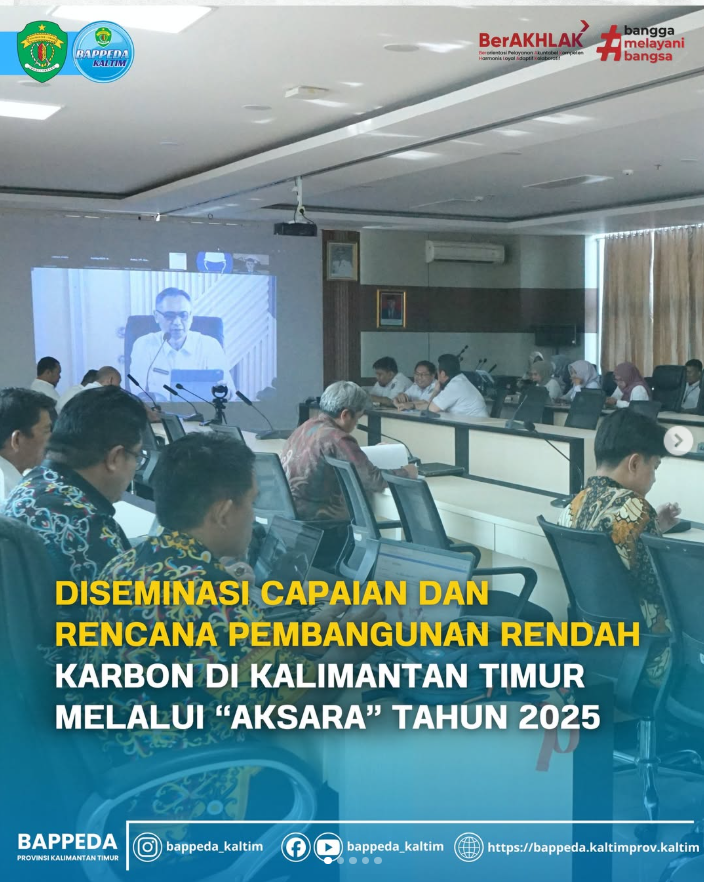
Dissemination of Low Carbon Development Achievements and Plans in East Kalimantan Through "AKSARA" in 2025
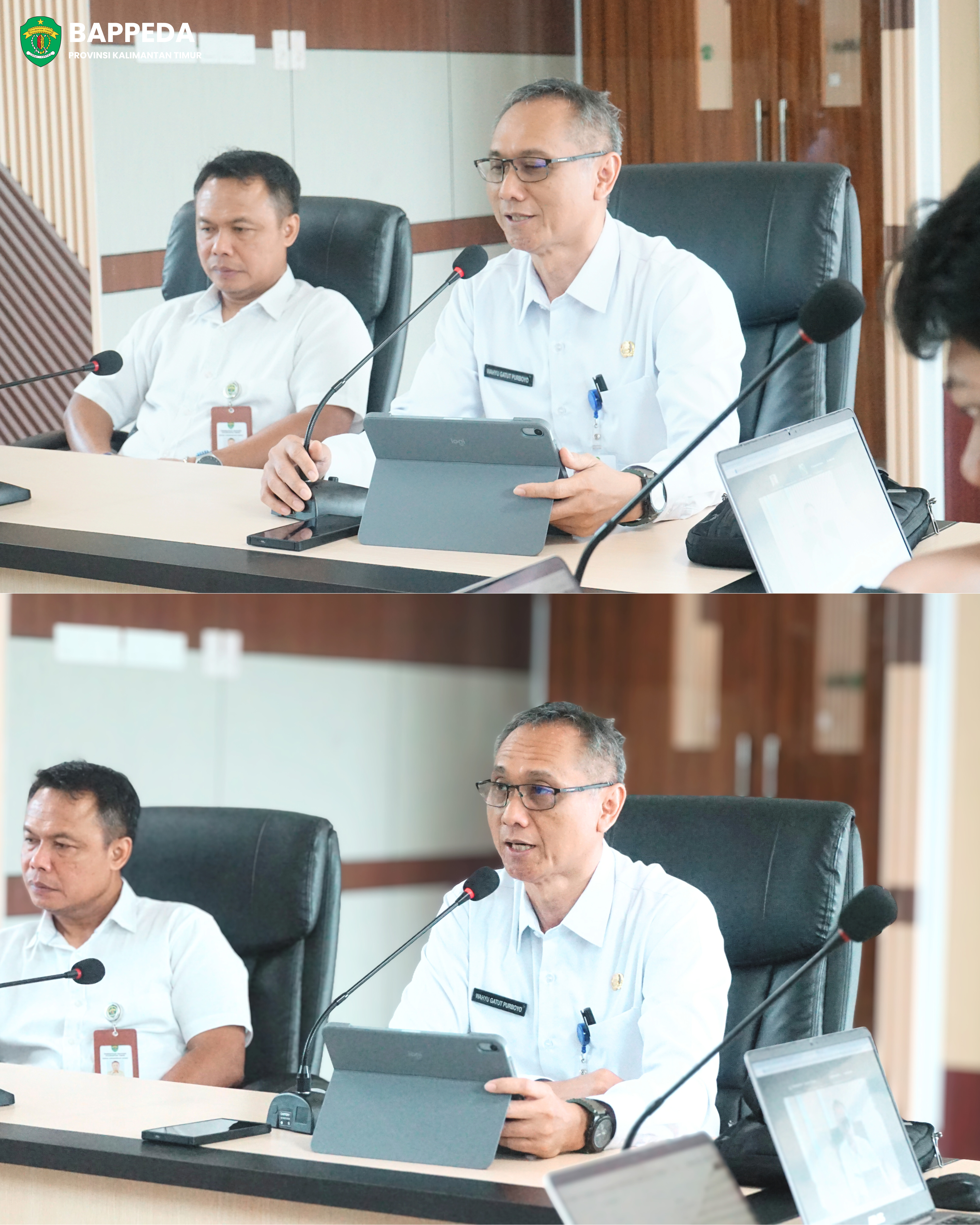
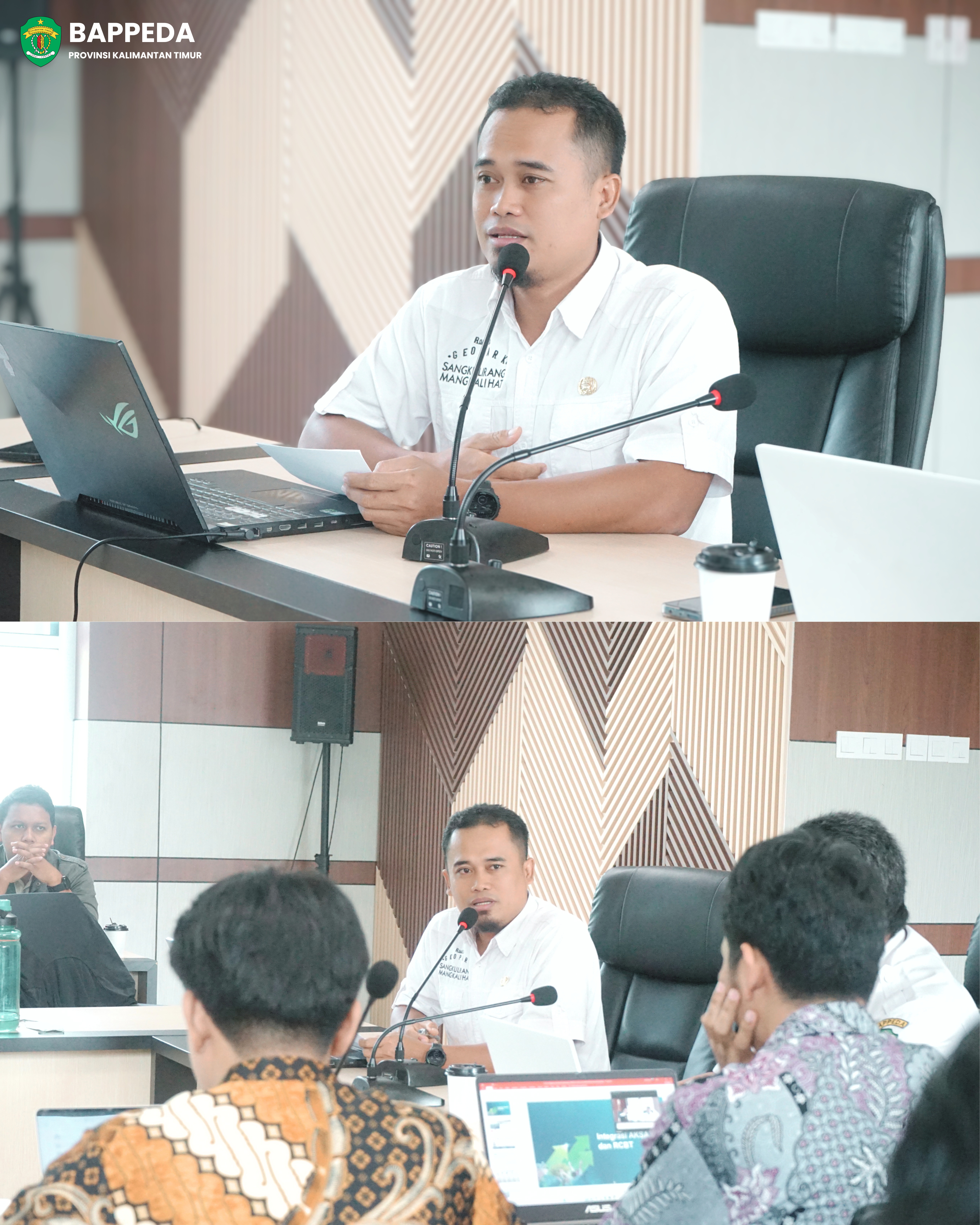
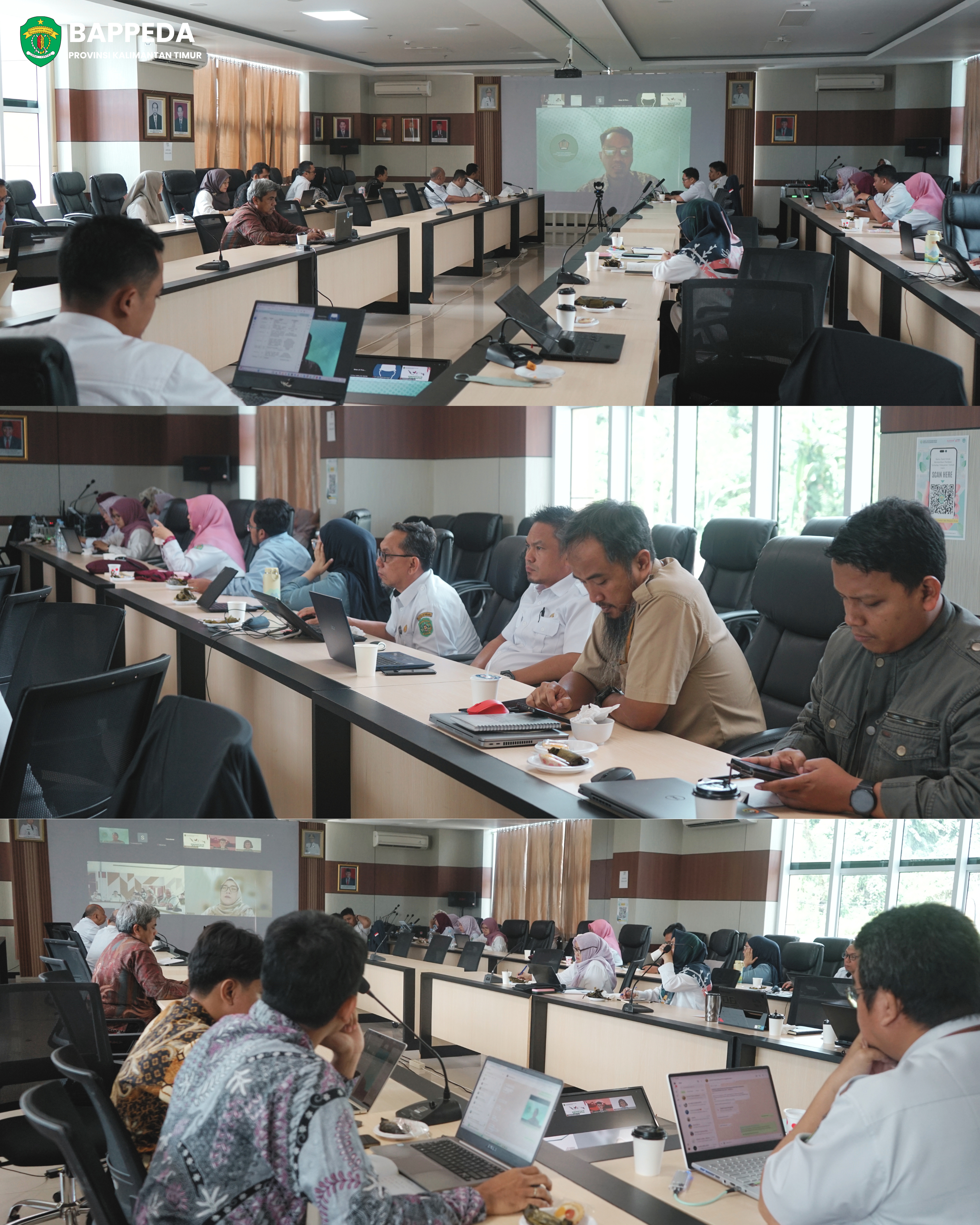
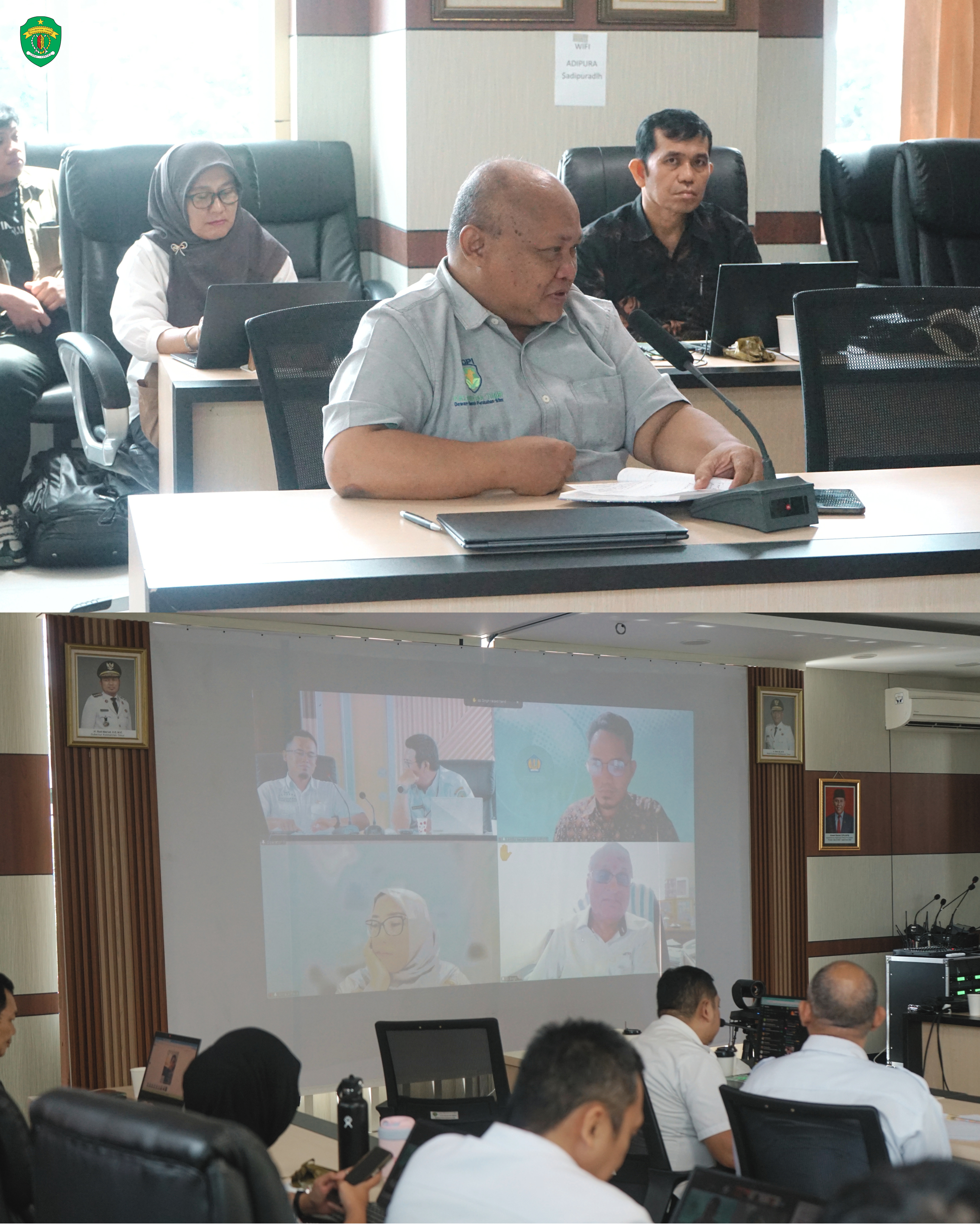
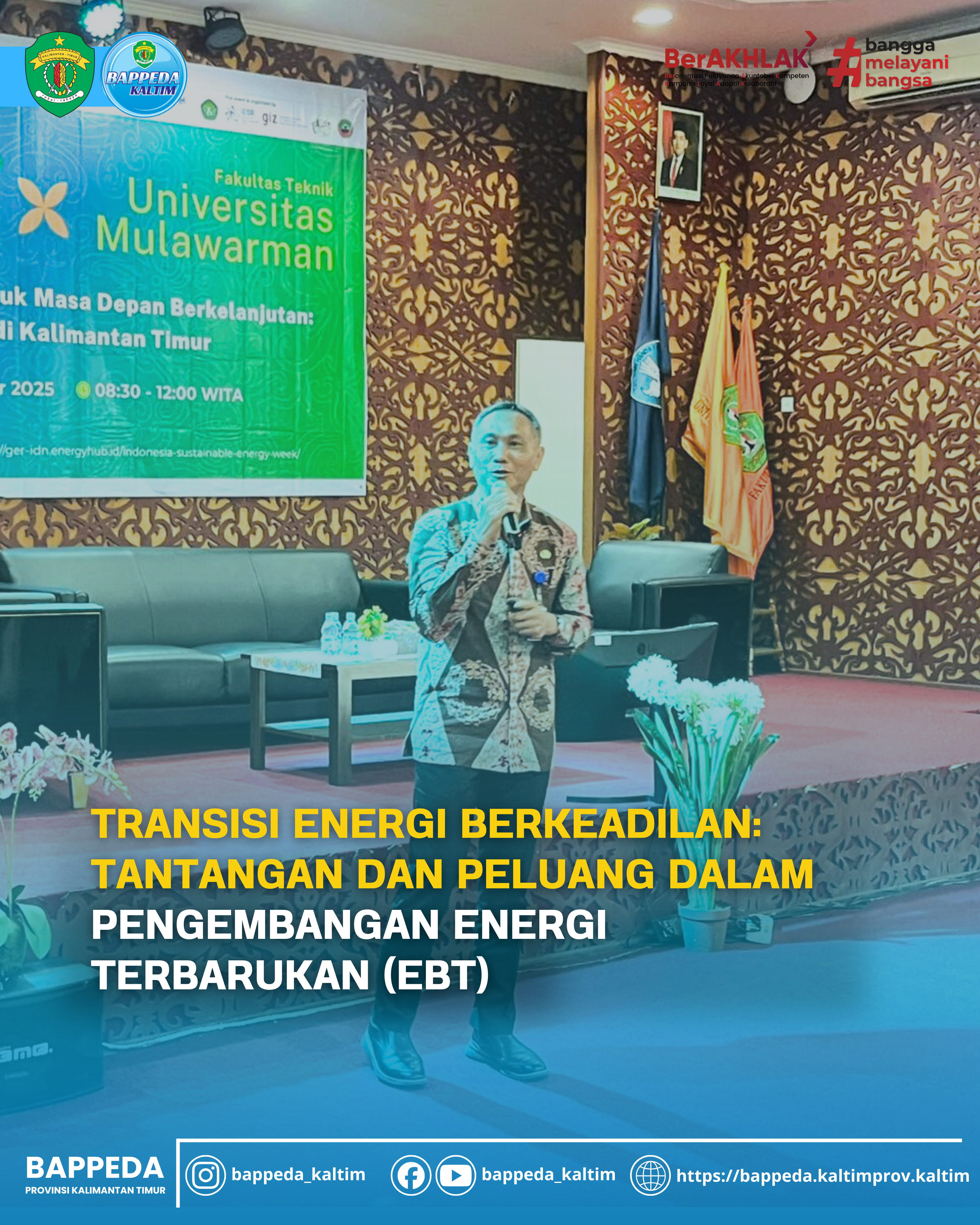
Samarinda, (03/12/2025) - Today, the Dissemination of Achievements and Plans for Low Carbon Development (PRK) and Socialization of the Use of the "AKSARA" and CONNECT Applications were held, at the East Kalimantan Provincial Environmental Service Office, Samarinda.
Low carbon development is a policy direction in supporting the RPJPD 2025–2045 and RPJMD 2025–2029 targets, especially in reducing greenhouse gas emissions and ensuring development runs sustainably. However, emissions reduction achievements in East Kalimantan Province need to be improved. Therefore, so that it can be maximally applied, regional officials have introduced a Bappenas application called AKSARA, which is an application used for planning and monitoring Indonesia's low carbon development.
Apart from the AKSARA application, there are updates regarding data integration between AKSARA and the CONNECT system belonging to the Ministry of Finance. CONNECT is a climate change budget tagging (Regional Climate Budget Tagging/RCBT) platform which is now interoperably connected with AKSARA, SIDIK, and the National Registry System. The synergy of these two systems aims to increase the accuracy and transparency of emission reduction data as well as the effectiveness of the use of climate budgets in the regions. The hope is that AKSARA can be used starting January 2026.
Bappeda emphasizes that low-carbon development is not just an obligation, but part of efforts to protect the people of East Kalimantan from the threats of climate change such as floods, forest fires, decreased air quality and pressure on food security. Therefore, increasing capacity, improving data, and using digital systems based on interoperability are the keys to accelerating the transformation towards a green economy and achieving emission reduction targets in East Kalimantan.
This dissemination activity is expected to strengthen coordination between various parties, encourage collaboration, and ensure that all data and actions reported by East Kalimantan are able to make a real contribution to the national target of net-zero emissions and sustainable development.
(Suci Ashari)