East Kalimantan Poverty Alleviation
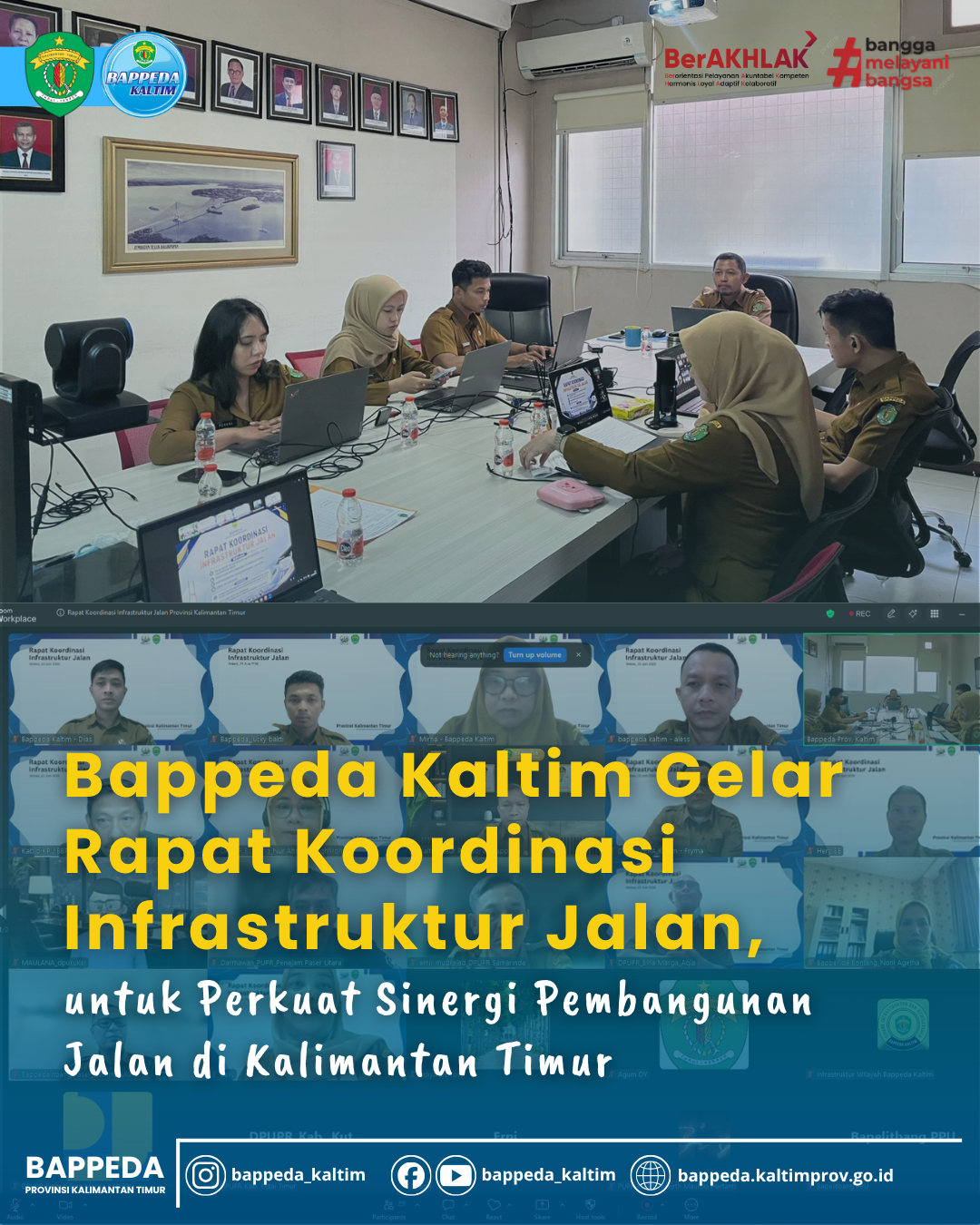
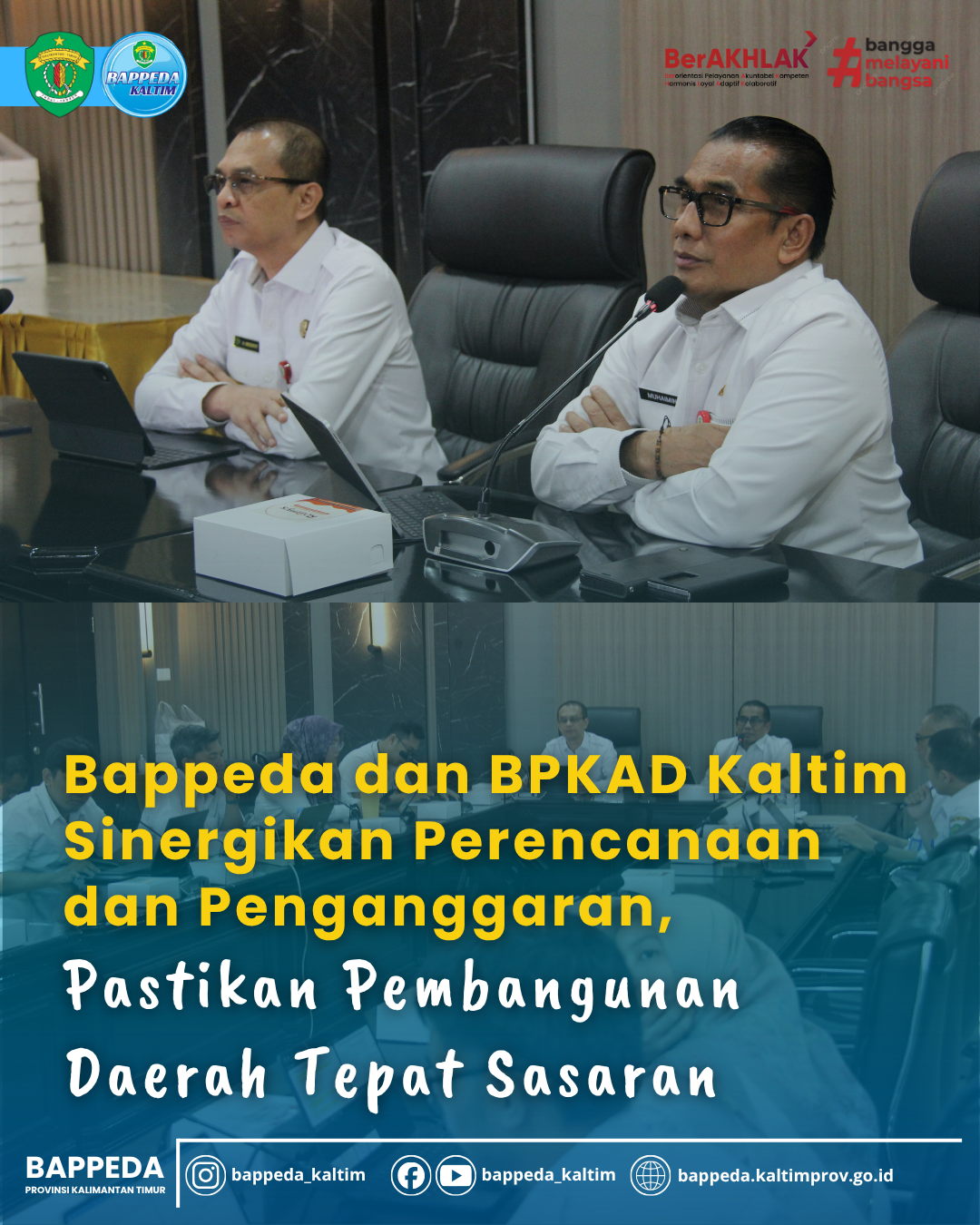
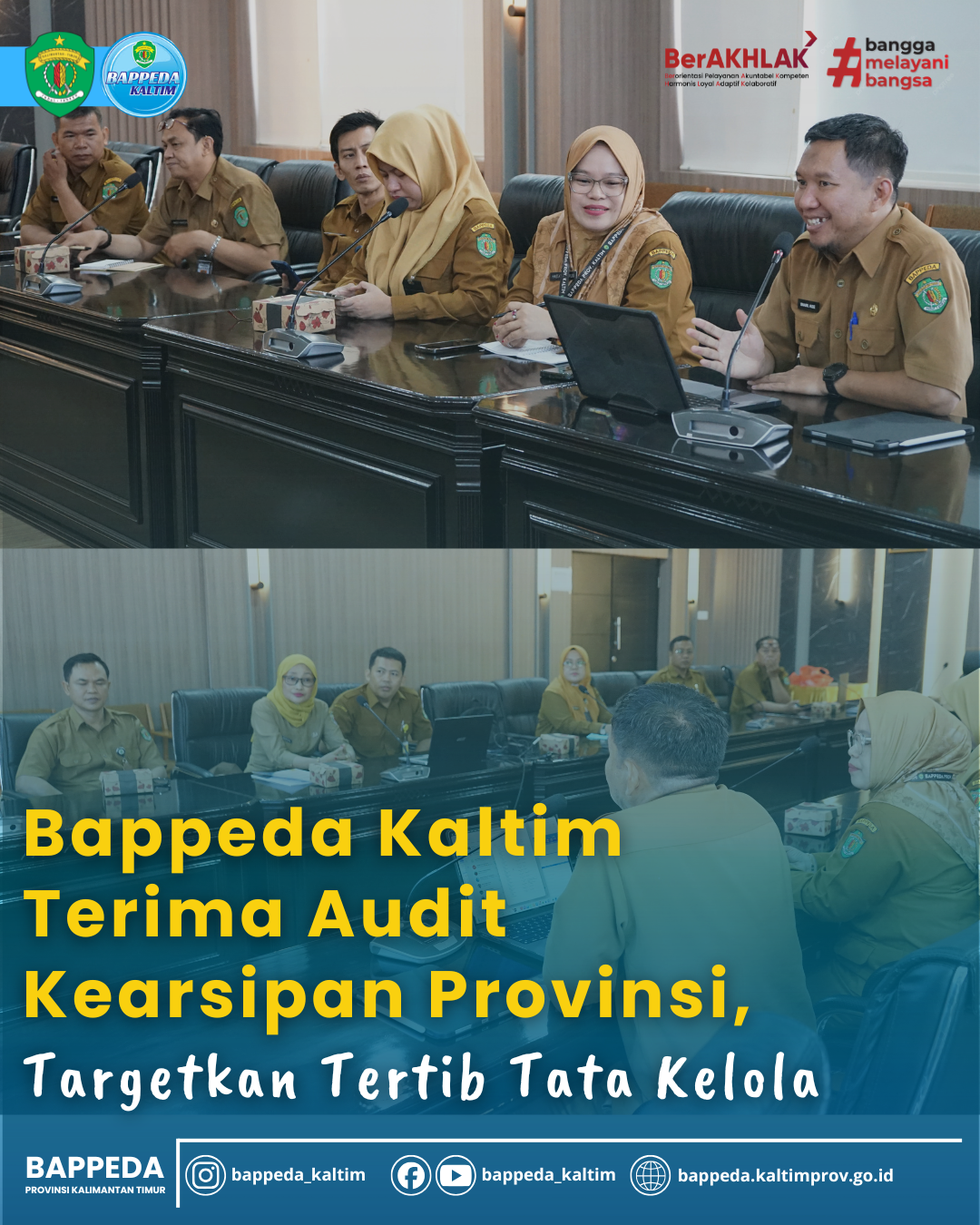
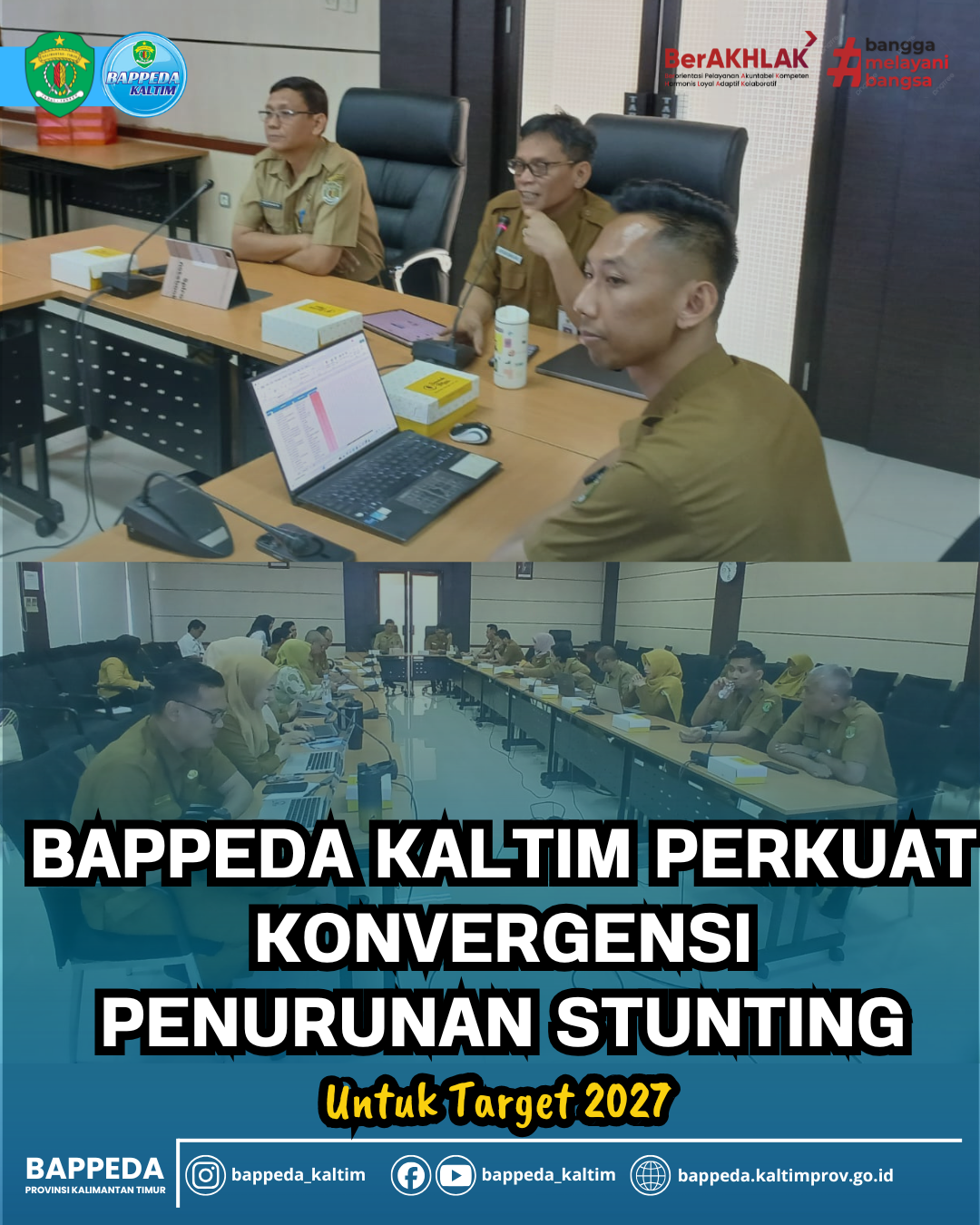
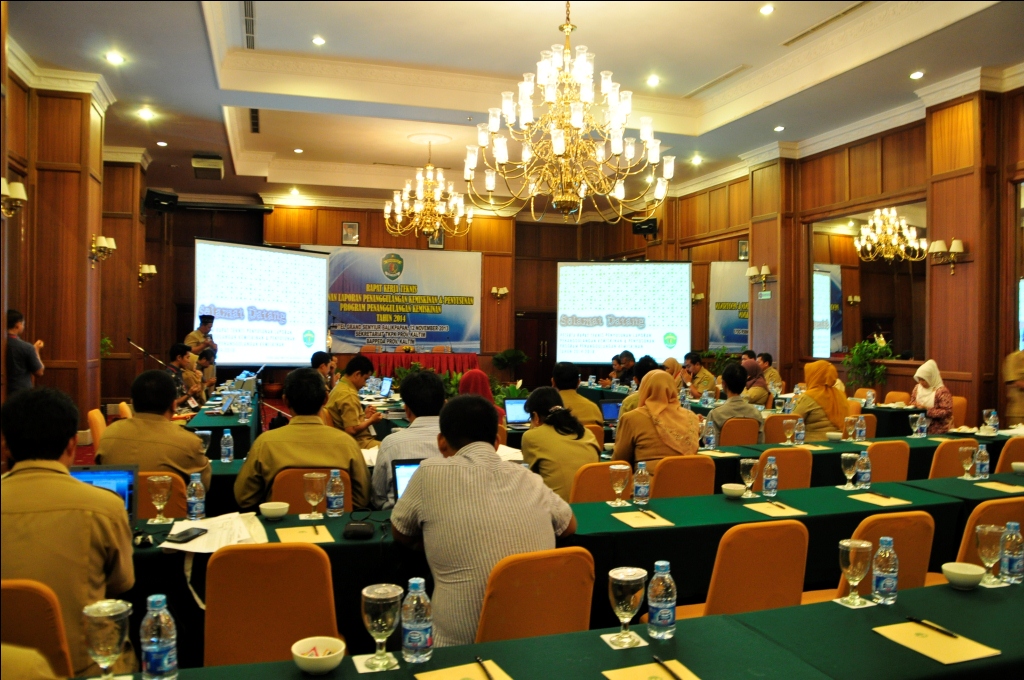
Balikpapan, 12/11/13. Plh. Head of Bappeda for East Kalimantan Province, as well as Head of Development Assessment and Financing,  Provincial Bappeda East Kalimantan, Ir.H. Djoko Handono delivered a speech and at the same time officially opened the event. The Technical Working Meeting for Preparing Reports & Poverty Alleviation Programs for 2014-2018 for East Kalimantan Province in the Mirror Ball Room meeting room at Green Senyiur Hotel Jln. ARS. Mohammad Number 7 Balikpapan City, East Kalimantan, Indonesia, 12/11/13 at 10.00 WITA, accompanied by plh. Head of the Human Resources Development Division, East Kalimantan Province Bappeda, as well as Head of the People's Welfare Sub-Sector, East Kalimantan Bappeda, Charmarijati, ST and Head of the Education, Mental and Spiritual Sub-Sector, East Kalimantan Province Bappeda, Ir.Hj. Hidayanti Darma.
Approximately 75 participants in the work meeting for preparing reports and poverty reduction programs for 2014-2018 came from SKPDs within the East Kalimantan Provincial Government and SKPDs within the Regency/City Governments throughout East Kalimantan.
During his speech, Plh. Bappeda Kaltim said that poverty alleviation planning in East Kalimantan Province must refer to outcomes and impacts, not activities or output, more emphasis is placed on outcomes/impacts or utilization of the programs being implemented. The competitiveness of East Kalimantan's human resources is still low, so it is necessary to increase the competitiveness of East Kalimantan's human resources to improve the welfare of the community. The natural resources in East Kalimantan have not been able to improve the welfare of the community.
Further Ir.H. Djoko Handono said the problems that need to be addressed by the East Kalimantan Provincial government in overcoming poverty are the low competitiveness of East Kalimantan's human resources, low and fluctuating economic growth, and unequal distribution of infrastructure services, unhealthy economic growth and unequal levels of welfare for the people of East Kalimantan, good governance has not been realized, and development has not been created in harmony with the environment.
The low competitiveness of East Kalimantan's human resources includes: 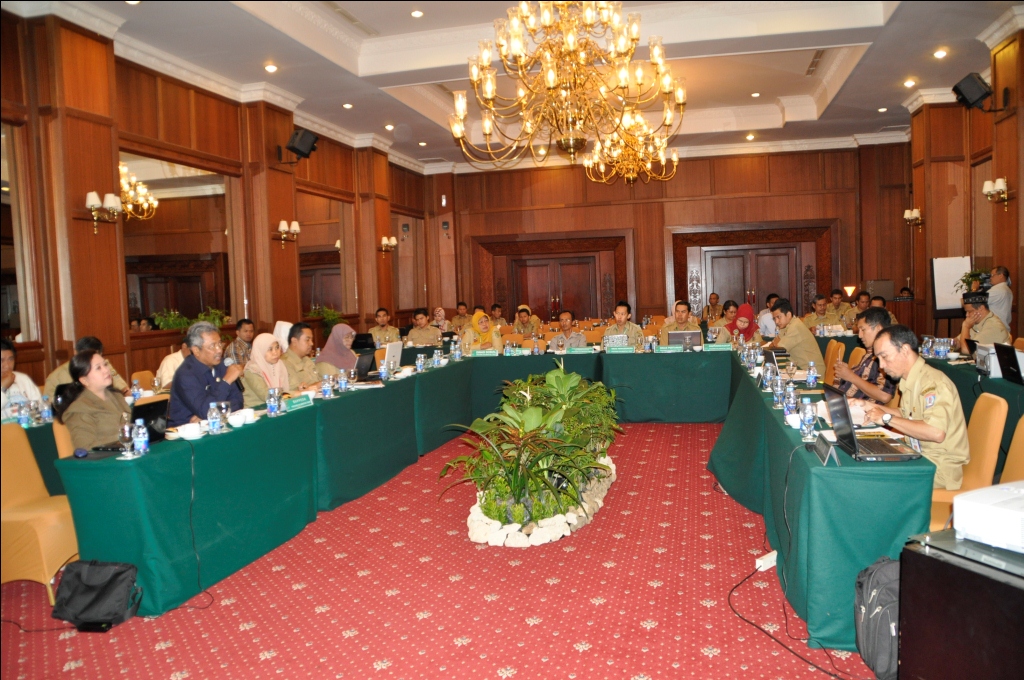 1. The low access and quality of education with the description of the illiteracy rate in East Kalimantan in 2012 was 2.8% and the average number of years of schooling was 9.19 in 2012 which needs to continue to be improved, which will greatly affect the competitiveness of human resources in East Kalimantan;
2. Access and quality of health services need to be improved, with the description being that the life expectancy in East Kalimantan Province in 2011 was 71.20, increasing by 0.2 in 2012 to 71.40. This was also triggered by the maternal mortality rate which continued to increase in 2010 by 101. The quality of health services also needs to be improved in remote corners of East Kalimantan considering that the birth rate is still fluctuating and has a downward trend in 2010 by 16.97 down to 12.54 in 2011;
3. Controlled per capita income with the description of per capita income in East Kalimantan fluctuated in 2008, amounting to 36.56 million, down to 32.09 million in 2009. However, it also had an upward trend in 2011, amounting to 41.52 million, rising to 44.65 million in 2012;
4. The low IPG is described as the IPG in East Kalimantan fluctuated in 2008 at 58.12, rising to 58.71 in 2009. It continued to rise in 2010 to 60.37 and in 2012 to 61.07.
Economic growth that is still low & fluctuating includes:
1. Economic growth is slow, with the description that the growth rate in East Kalimantan is slow, marked in 2011 at 3.97, decreasing to 3.88 in 2012
2. High unemployment rate, with description. The unemployment rate in East Kalimantan in 2011 was 9.29, decreasing to 8.90 in 2012;
3. The reduction in poverty levels is progressing slowly, with the description being that the percentage of poverty rates in East Kalimantan was stagnant in 2010 - 2011 at 7.66, dropping to 6.68 in 2012;
4. The inflation rate fluctuates with the description: In 2009 inflation was at 4.06, rising to 7.28 in 2010 and has a tendency to remain fluctuating due to macro factors as well as uneven infrastructure and dependence on several important commodities from outside the region. East Kalimantan inflation rose in 2011 to 6.35 and fell in 2012 to 5.6
5. The use of renewable natural resources is not yet optimal, with the description being the low contribution of the agricultural sector to the GRDP structure in 2012, which was only 5.89%, this was triggered by the dominance of the oil and gas and coal sectors. The limited number of agricultural-based downstream industries in 2012, where there were only 49 palm oil factories, also influenced this condition;
6. There has not been a new development center that pays attention to the economy and the environment with a description of the limited industrial area centers in East Kalimantan. In 2012 there was only 1 area, which had a big impact on the rate of economic growth. This is reinforced by the limited amount of regional investment coming in in 2012, only amounting to 30.47 trillion/year;
7. The lack of community welfare in rural areas with a description of the not yet optimal Gini index for East Kalimantan Province of 0.3649 in 2012 also influences the rate of regional economic growth
 East Kalimantan Strategic Issues include : 1). Climate change due to greenhouse gas emissions; 2). Pan Borneo Highway Development Plan; 3). Mainstreaming green economy in development planning; 4). The importance of developing the agribusiness industry in the future; 5). Unresolved fuel and electricity shortages; 6). MDG's achievement; 7). MP3EI Achievement; 8). Commitment to eradicating and preventing corruption; 9). Coordination between provinces and districts/cities in controlling natural resource exploitation permits.
The conclusion of the meeting was that in general it was agreed to use the same program, namely the poverty reduction program in each SKPD within the East Kalimantan Provincial Government, however, each SKPD concerned used different activities or indicators in accordance with their respective main tasks and functions.
Based on a joint agreement or commitment between SKPDs within the East Kalimantan Provincial Government and City Regency Governments throughout East Kalimantan in the context of poverty reduction in East Kalimantan Province in 2013-2018, including:
On Tuesday, the Twelfth of November, Two Thousand and Thirteen, a Coordination Meeting for Program Planning Activities related to Poverty Alleviation for East Kalimantan Province for 2013 – 2018 was held between the Provincial Government and the Regency/City Government, with the results of the Joint Commitment Decision as follows:
1. In order to realize consistency in planning and implementation of integrated activity programs between sectors and between regions related to poverty alleviation, it was agreed to use the Poverty Alleviation Program nomenclature as a special nomenclature in the RPJMD and RKPD documents for Provinces and Regency/City, and in the RENSTRA, RENJA, DPA and RKA documents for each relevant SKPD at the Provincial and Regency/City levels;
2. Programs/activities as contained in the attached matrix require further discussion to refine the indicators and targets to be achieved;
3. The results of improvements to Programs and Activities will be further explained in the Provincial RPJMD documents, Regency/City RPJMD, and in the RENSTRA documents of each Provincial SKPD and will become an inseparable part of this joint commitment decision.
Thus, the contents of this Joint Commitment decision were made so that it can be used properly. (Public Relations of Bappeda of East Kalimantan Province/Sukandar, S.Sos).