Thursday, 04 December 2025
Monitoring and Evaluation of the Achievement of the Implementation of the Sustainable Development Goals (SDGS) of East Kalimantan Province in 2025
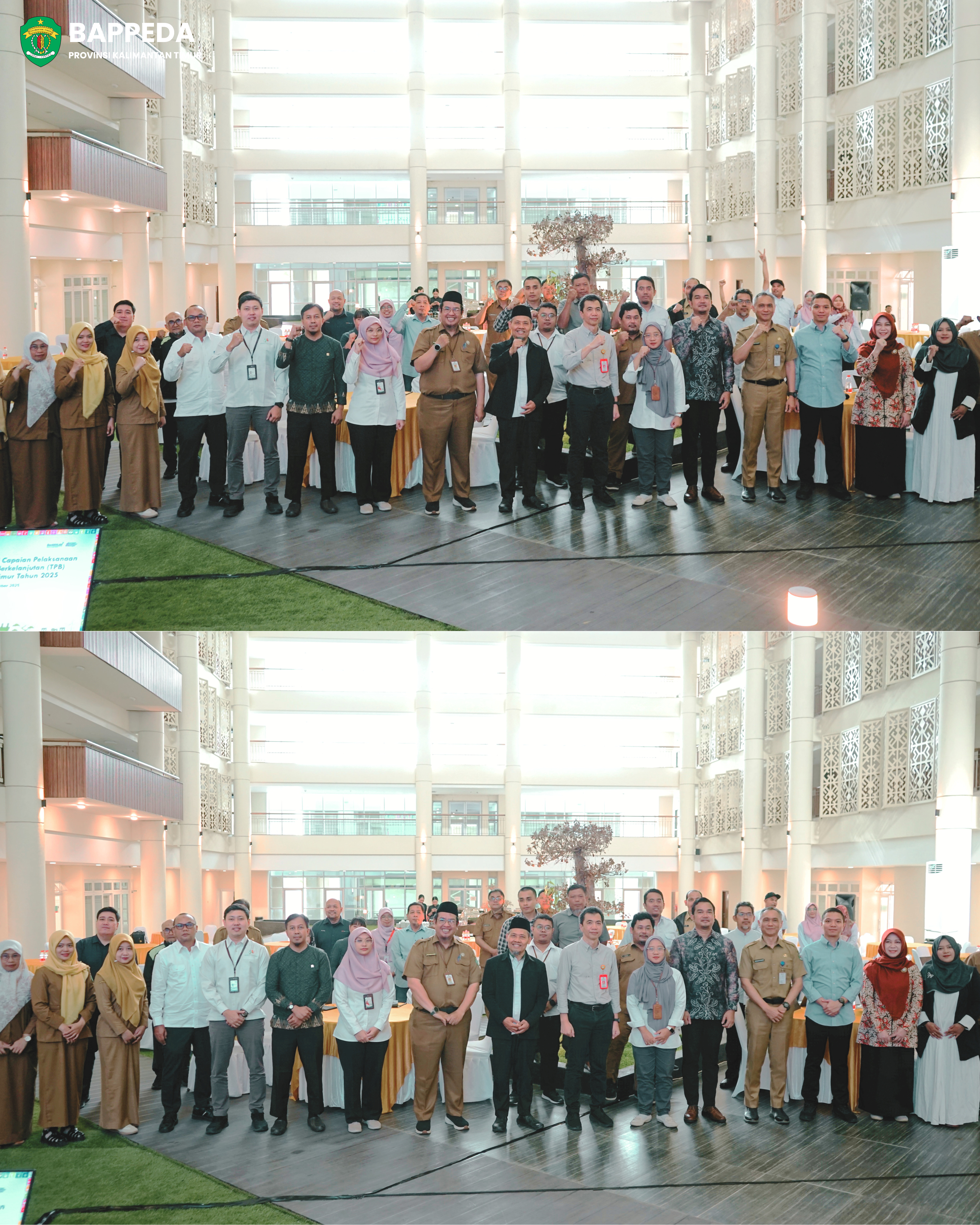
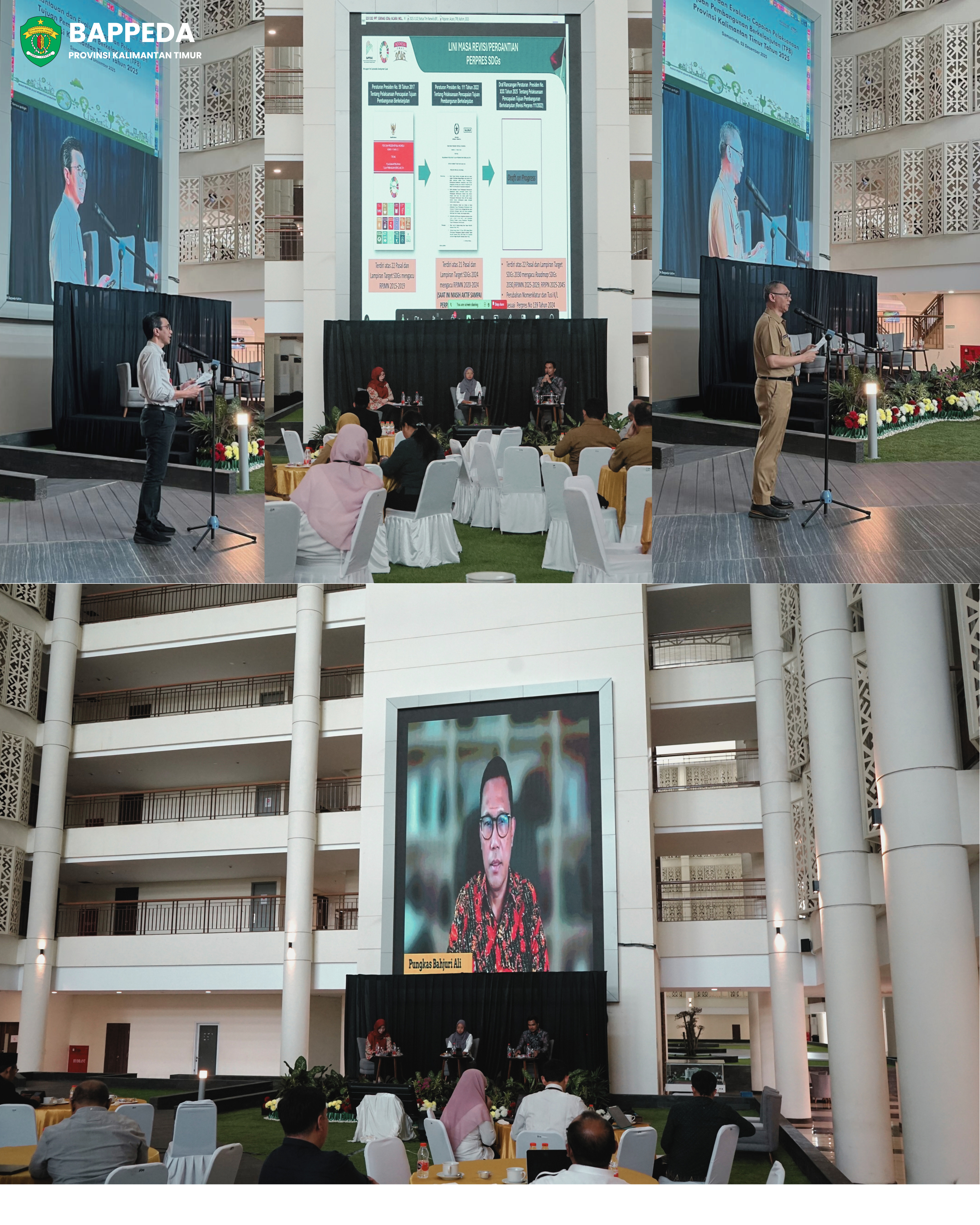
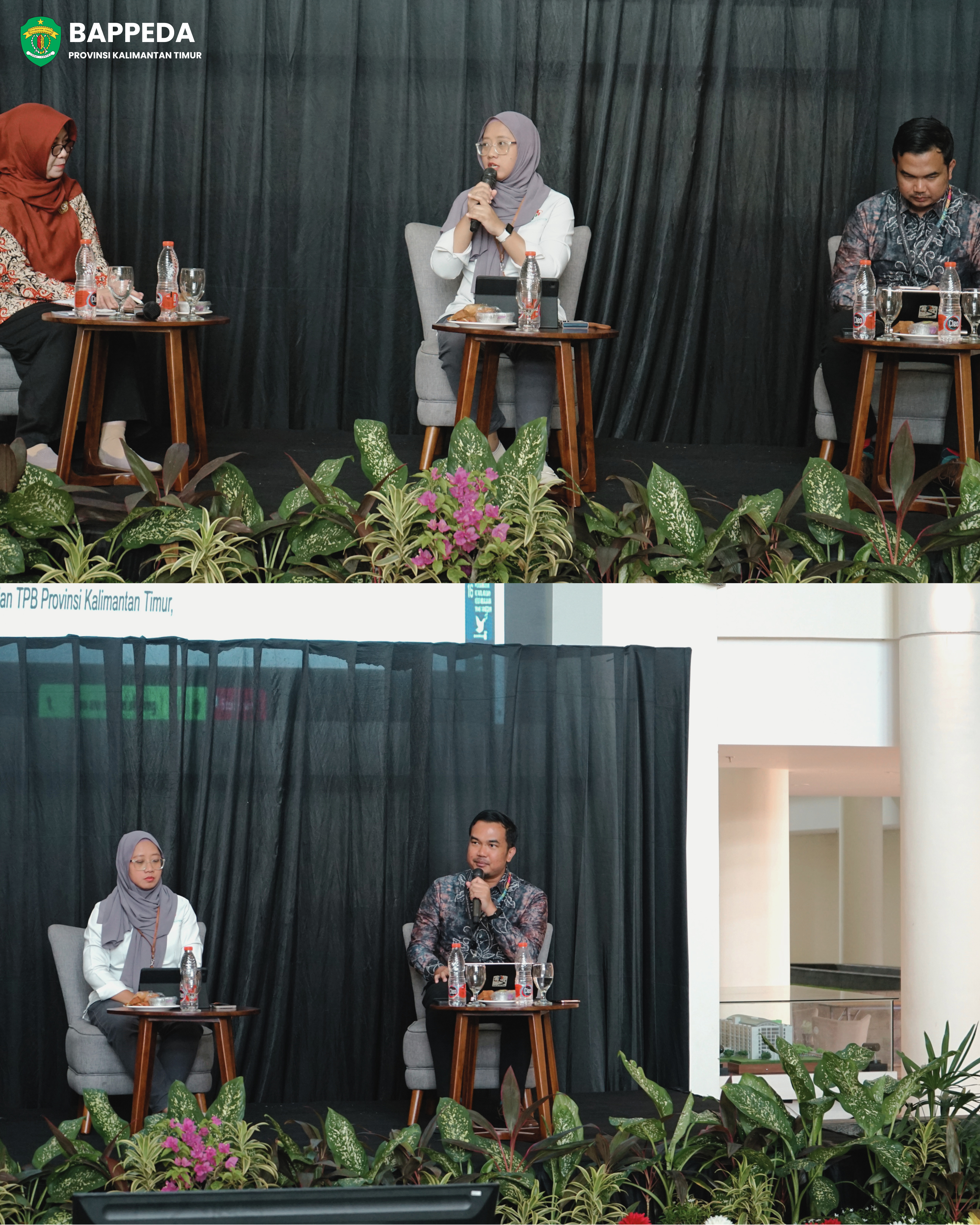
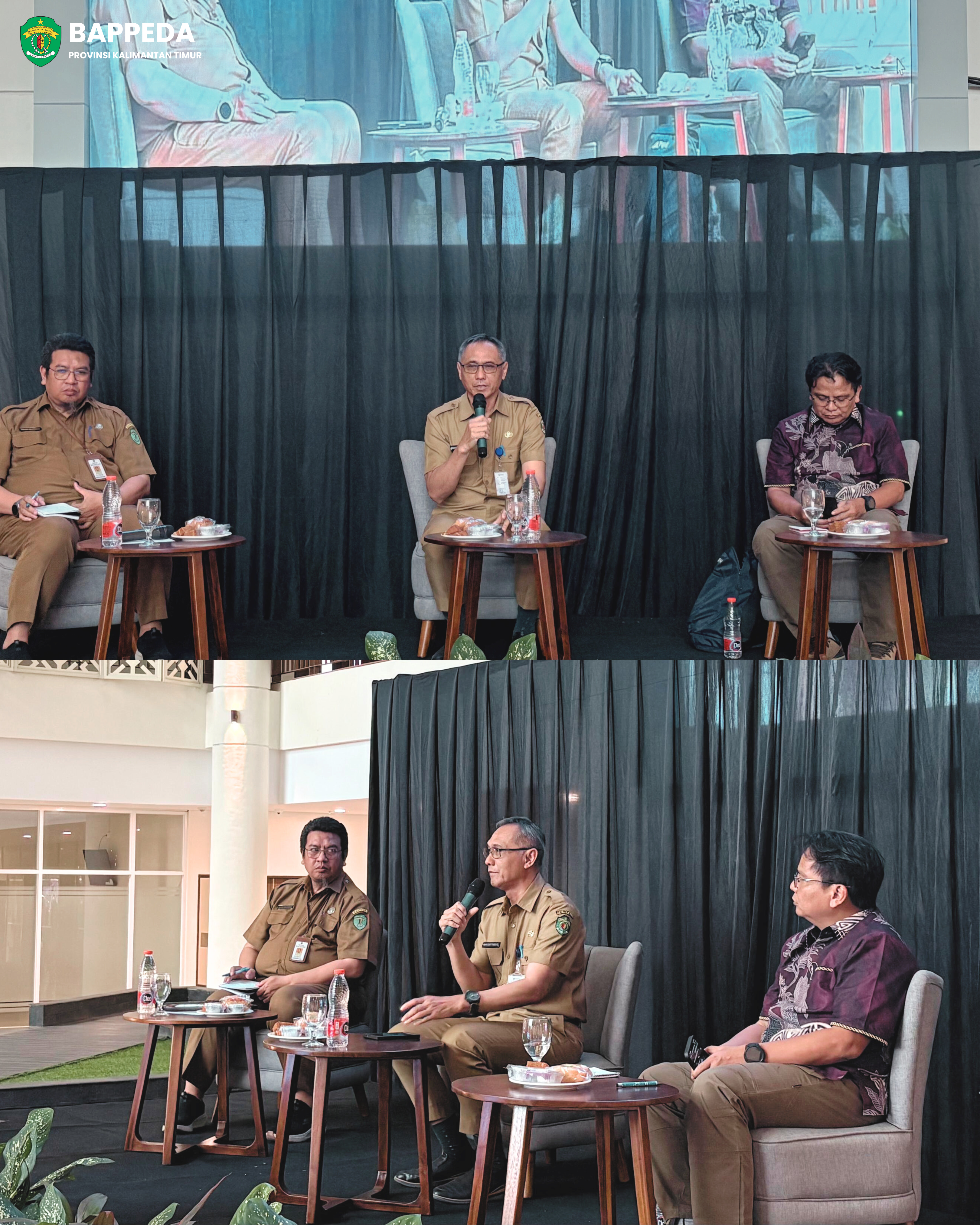
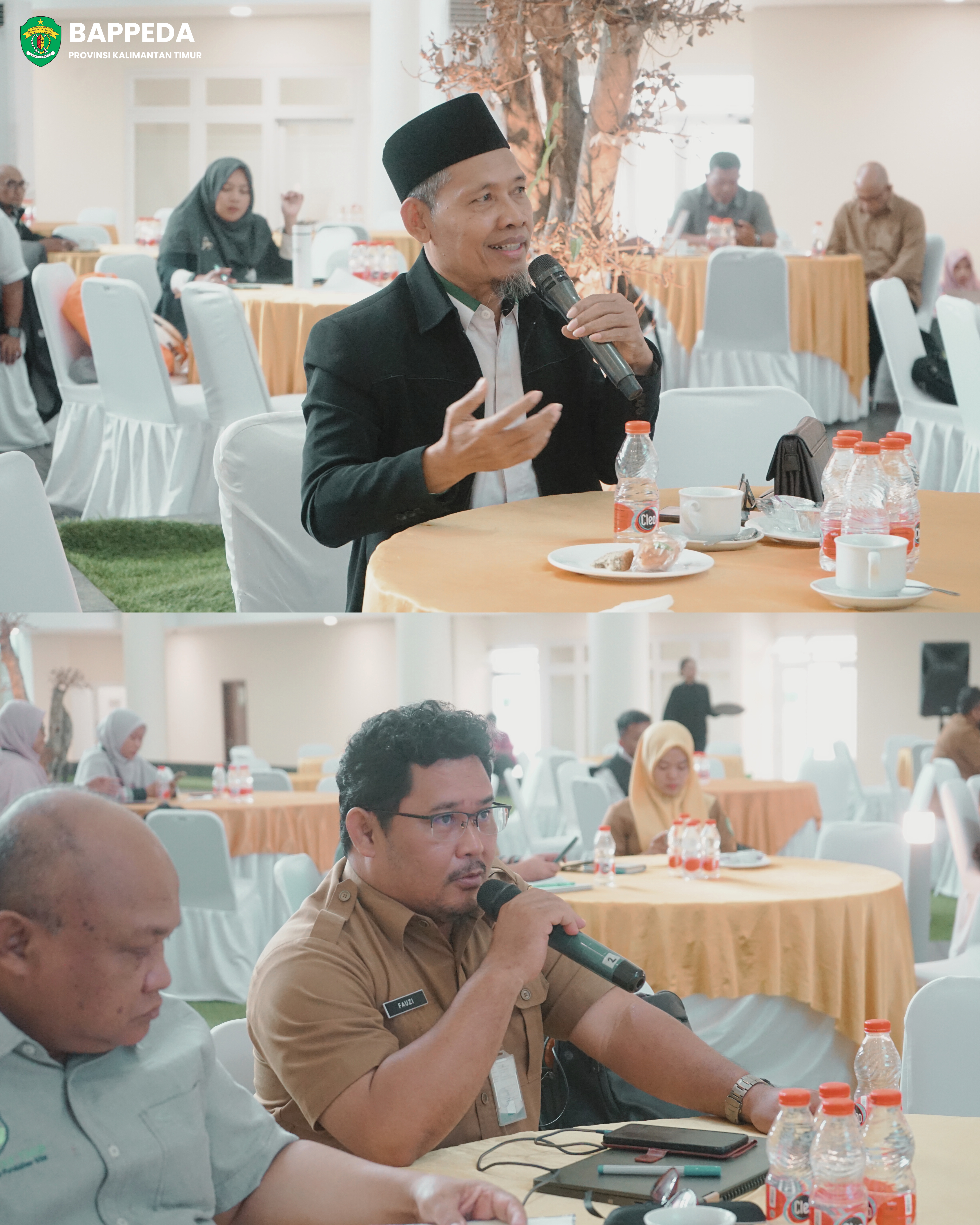
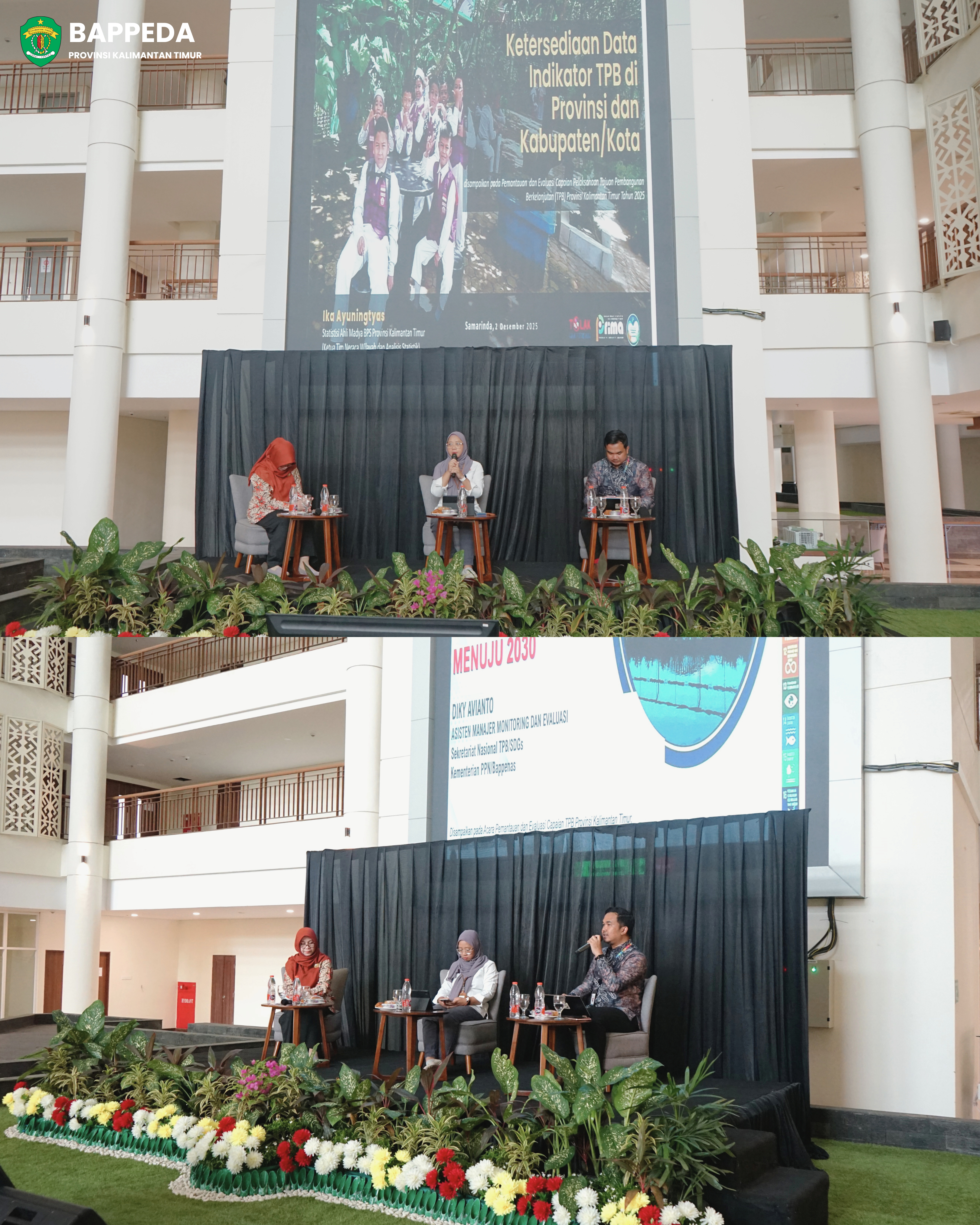
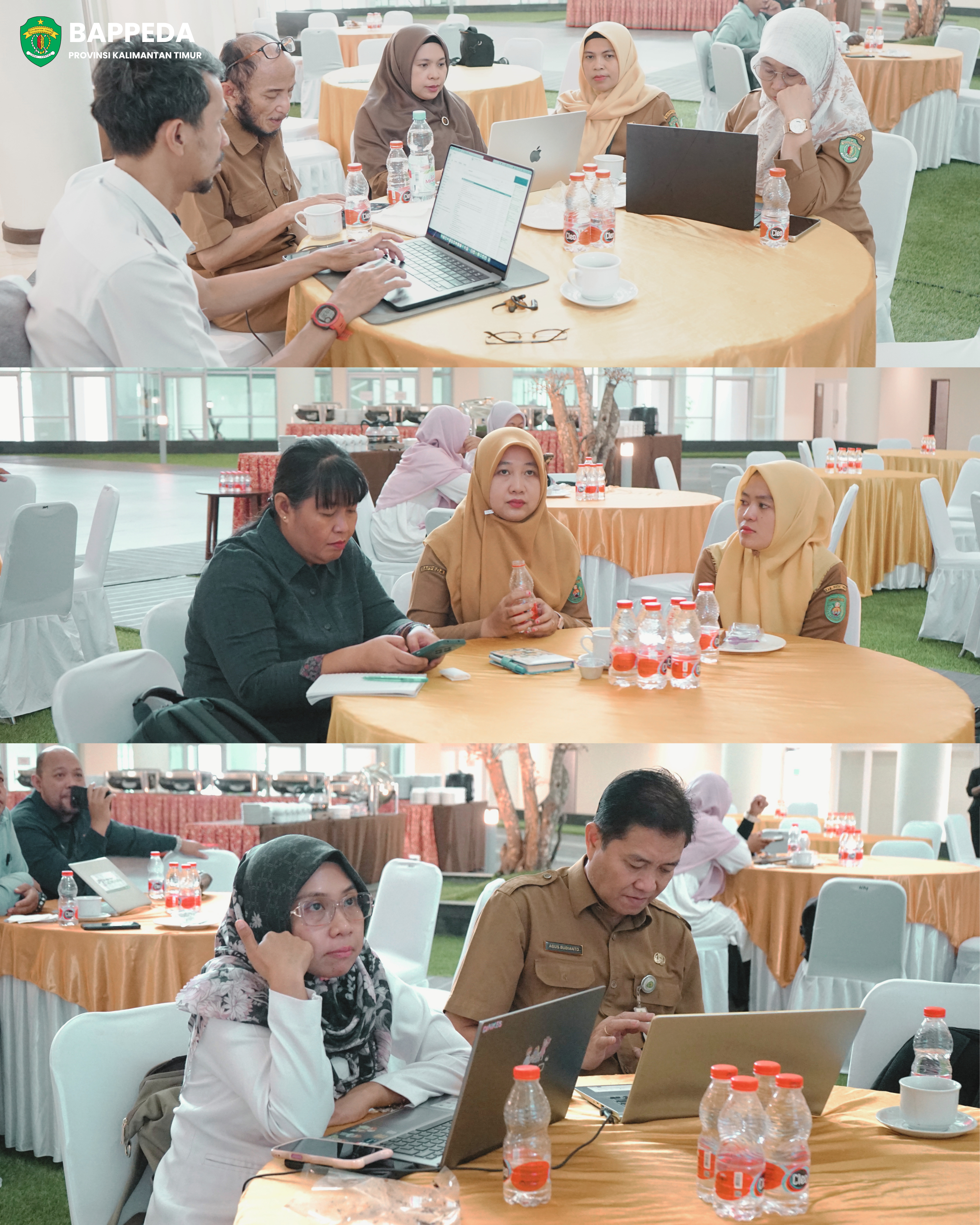
Samarinda, (03/12/2025) - An Evaluation of the Achievement of Sustainable Development Goals (TPB) SDGs event was held to review the extent to which sustainable development targets have been achieved and what still needs to be done. This meeting presented resource persons:
1. Concluded Bahjuri Ali - Head of the SDGs National Secretariat
2. Diky Avianto - Assistant Manager for Monev, SDGs National Secretariat
3. Ika Ayuningtyas - Intermediate Expert Statistics, BPS East Kalimantan Province, and
4. Rustam - IKN & SDGs Center.
One of the efforts to increase SDGs achievements at the global level is through translation into Regional Action Plan Documents (RAD SDGs) which are integrated with RPJMD, RKPD and Strategic Plan according to SDGs targets and indicators.
In the BPS presentation, several encouraging achievements in implementing SDGs were seen. in East Kalimantan Province. One of them is that the poverty rate decreased to 5.51%, indicating an improvement in the economic conditions of the people in East Kalimantan. Even so, equality related to social inequality in society is still a problem.
In several remote areas, the depth and severity of poverty is actually increasing. This means that aid programs have not evenly reached those who are most vulnerable.
Another important issue is reducing stunting rates. Currently the figure is 22.2%, but it is still far from the national target and has not yet reached the 2024 RKPD Amendment target of 21%.
In the education sector, the government has expanded assistance through the Kaltim Tuntas Scholarship Program. However, more than 27 thousand children in East Kalimantan are still not in school, indicating the need for a more effective approach to reach remote areas and groups that have difficulty accessing formal education.
Other challenges exist in the sector of gender equality and women's empowerment. In 2024, the proportion of women in managerial positions will increase, however, this figure is still quite low when compared to other provinces.
Meanwhile, East Kalimantan's dependence on the extractive sector is still very large. The transition to green energy and increasing the use of renewable energy on a local scale is a tough job that requires collaboration from various parties.
Overall, this forum concluded that East Kalimantan has moved on the right track, but there is still a lot of homework that requires collective work, starting from poverty inequality, stunting, school enrollment rates, energy transition, to strengthening data. The East Kalimantan Provincial Government emphasizes the importance of collaboration from all parties so that the SDGs achievements really have a real impact on society in our efforts towards 2030.
(Suci Ashari)